

Whether you’re a backyard birder, a longtime citizen scientist or someone who just discovered their “spark bird,” Virginia Beach has a lot to offer no matter your skill level. Our coastal city sits along the Atlantic Flyway, a major migratory highway that funnels hundreds of species past our shores every spring and fall. More than 300 species have been recorded here across our beaches, marshes, and maritime forests.
We’ve gathered the local resources, seasonal highlights, top hotspots and events to help you plan your next birding trip.
Birding Like a Local
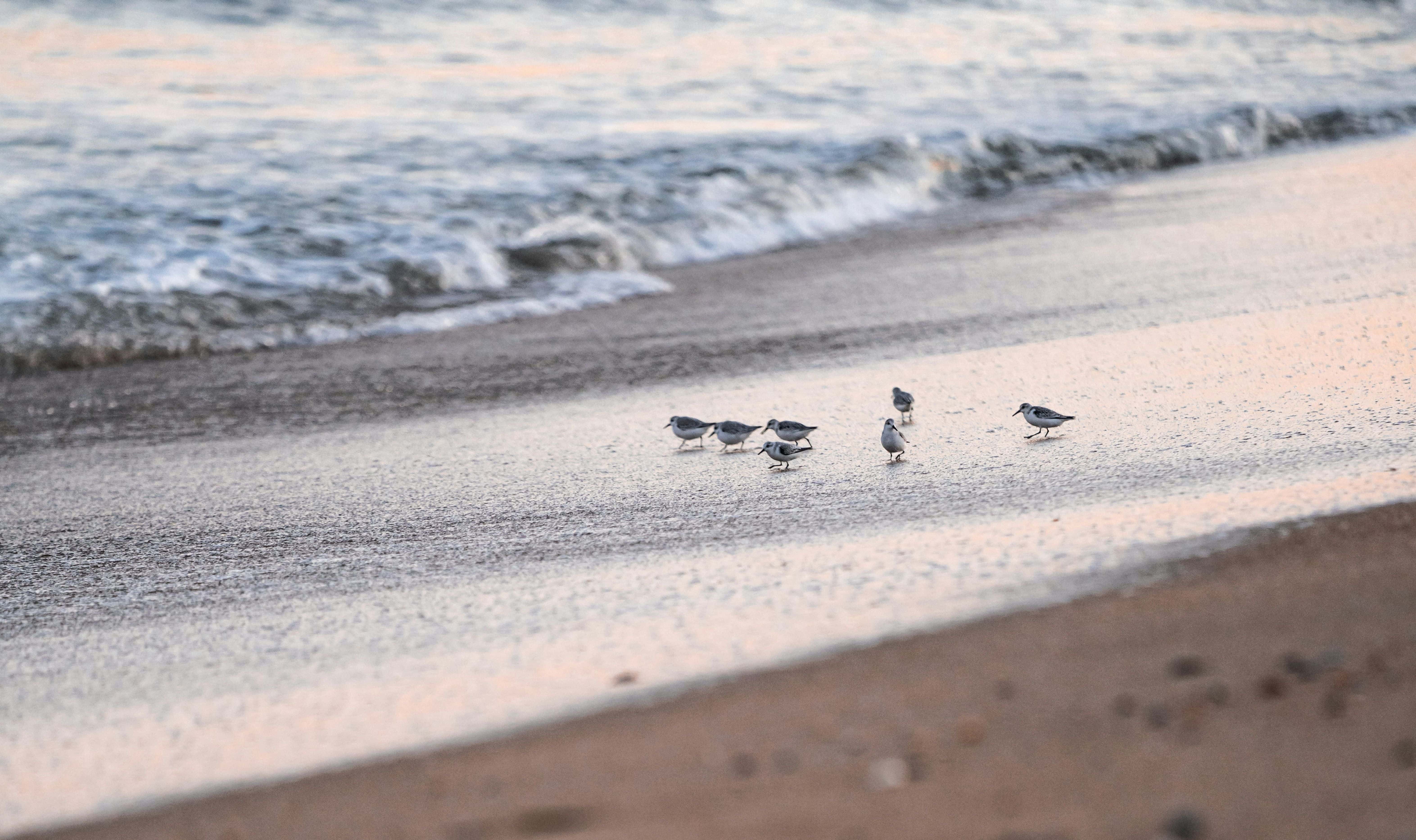
Birding in Virginia Beach can be as laid-back or as serious as you’d like. Grab your binoculars and head into a park or preserve any time of day, or plan accordingly if you want to see birds when they are most active.
Whether you’re building your “life list” or just want to be prepared, start with local resources. Virginia Beach Audubon Society hosts monthly meetings and field trips throughout the year, and it’s a great way to meet other local birders. For statewide resources, checklists and a Virginia bird atlas, check out the Virginia Society of Ornithology. And when you’re ready to log your sightings or scope out what’s being seen where, eBird offers real-time data and checklists for nearly every hotspot in the area.
Catch the Show Along the Atlantic Flyway
Virginia Beach sits directly along the Atlantic Flyway, a major migratory highway that runs along the coast, so hundreds of species pass overhead as they travel between homes. When these birds travel together in large groups it’s quite the spectacle.
Hawkwatch in the Fall
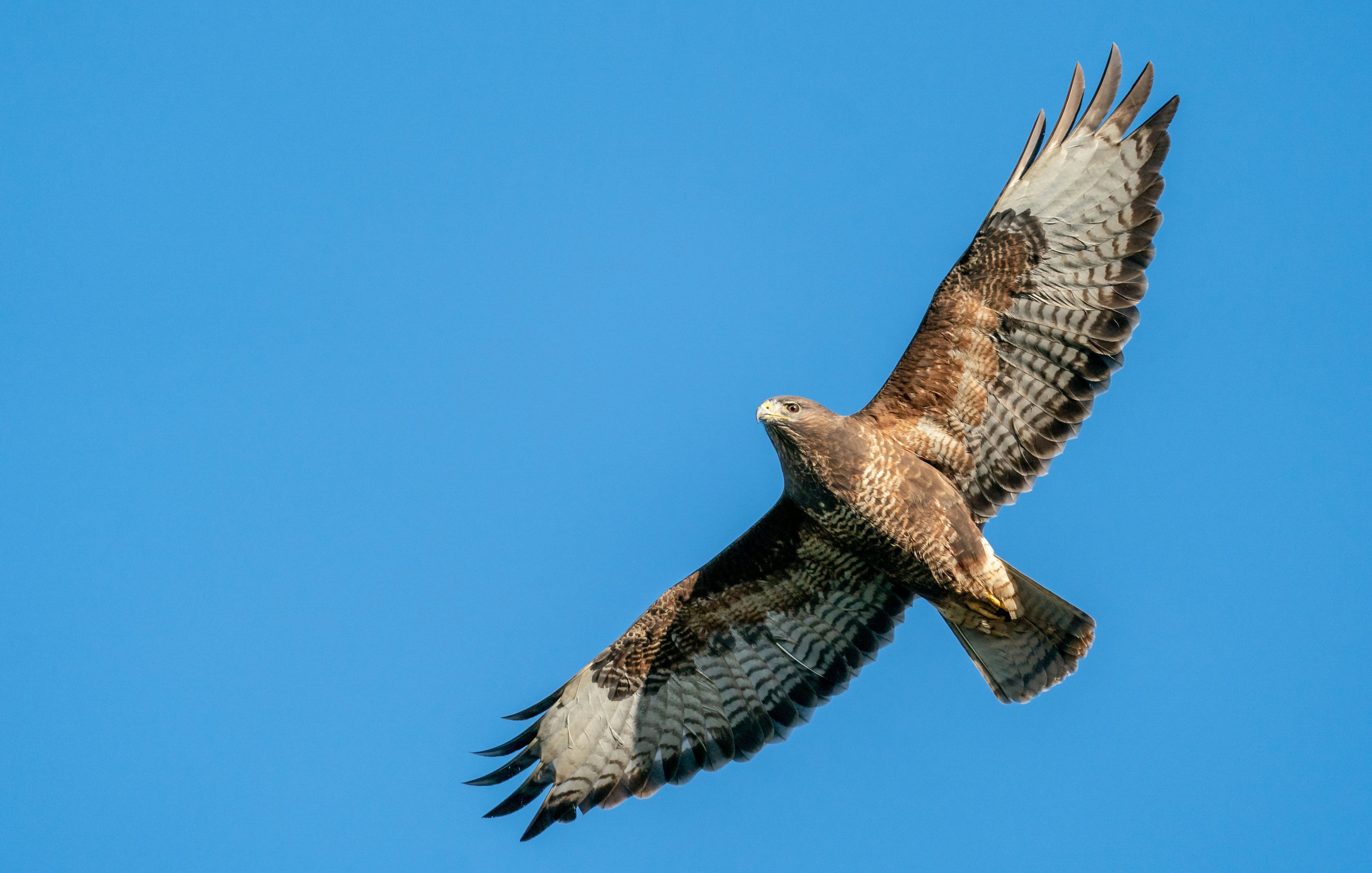
For a special hawk watching experience, consider a fall visit as birds of prey flock to the Virginia coasts. Every autumn, raptors making their way south pause along the Virginia coast, taking a brief rest on the shoreline before crossing the Chesapeake Bay.
For a dedicated hawk-watching experience, plan a short drive across the Chesapeake Bay Bridge-Tunnel to Kiptopeke State Park.
A Cascade of Winter Waterfowl
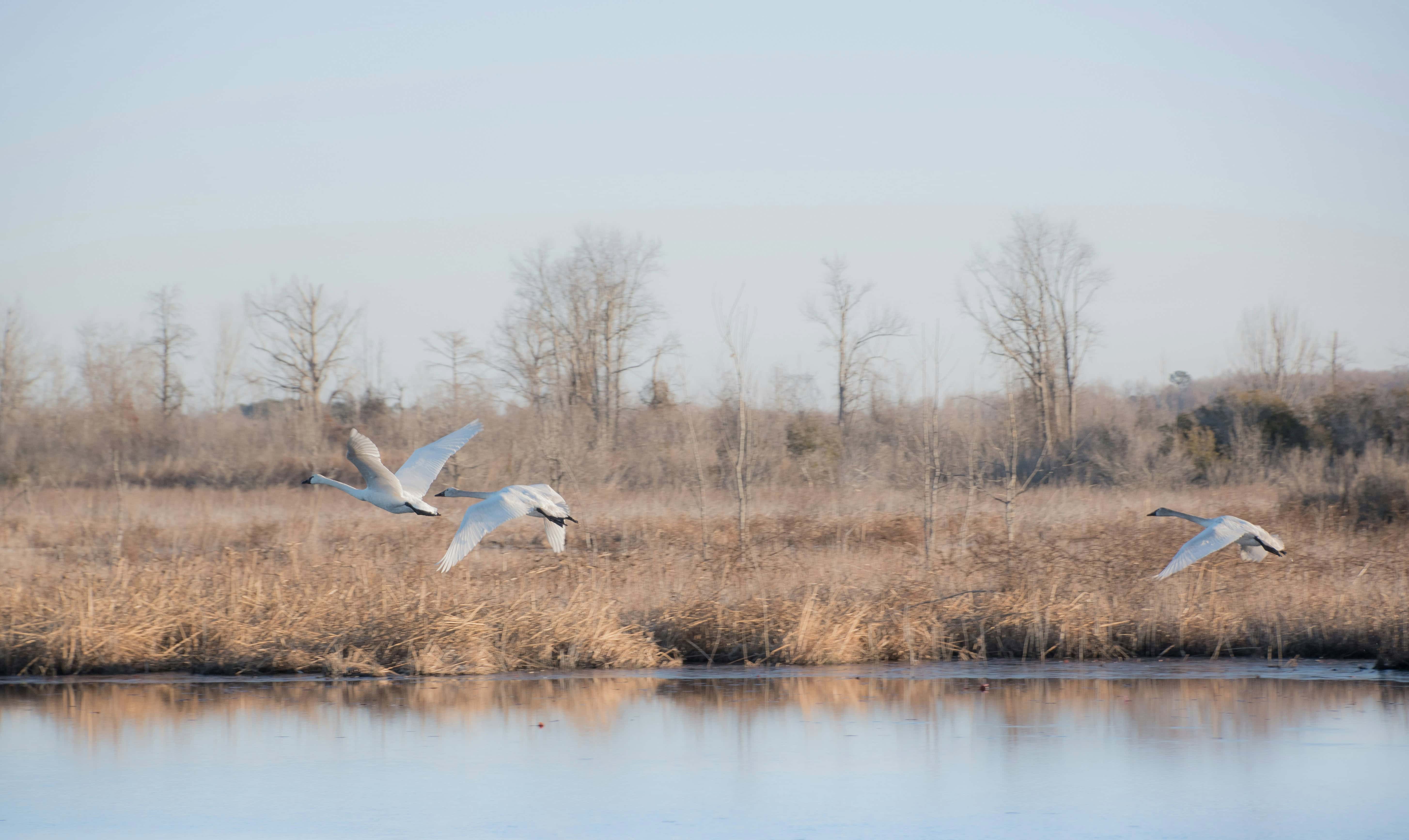
During fall and winter migration, large flocks of Tundra Swans and other waterfowl touch down at Back Bay National Wildlife Refuge to rest before continuing south. The refuge’s visitor center dock is a solid spot to take it all in.
Where to Find Top Birding Spots in Virginia Beach
Virginia Beach sits at the crossroads of ocean, bay, marsh and woods, so you’ll find brightly colored songbirds in the maritime forests, wading birds working the wetlands and shorebirds skipping across the dunes. Here are a few hotspots to add to your list.
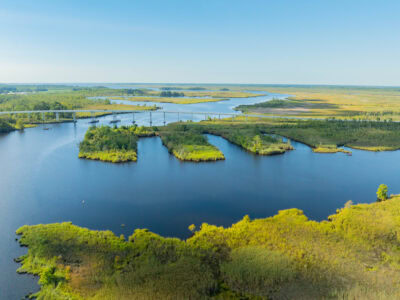
Back Bay National Wildlife Refuge
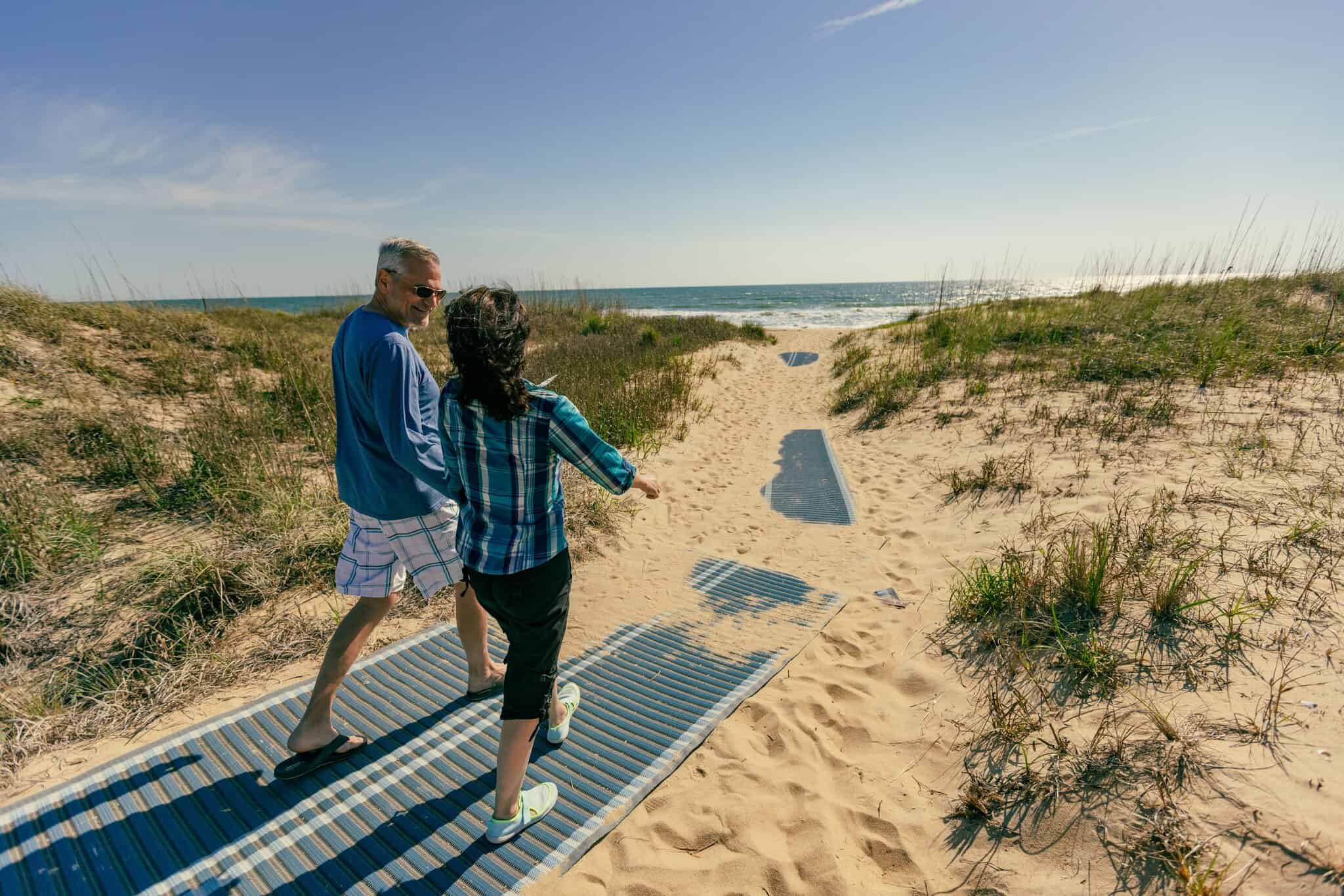
Established by President Roosevelt in 1938, Back Bay National Wildlife Refuge is home to more than 300 bird species and one of the best examples of diverse coastal habitat in the city. Seven hiking trails and several viewing platforms make it a favorite for birders, and it’s worth a quick check of eBird for rare bird alerts before you go.
False Cape State Park
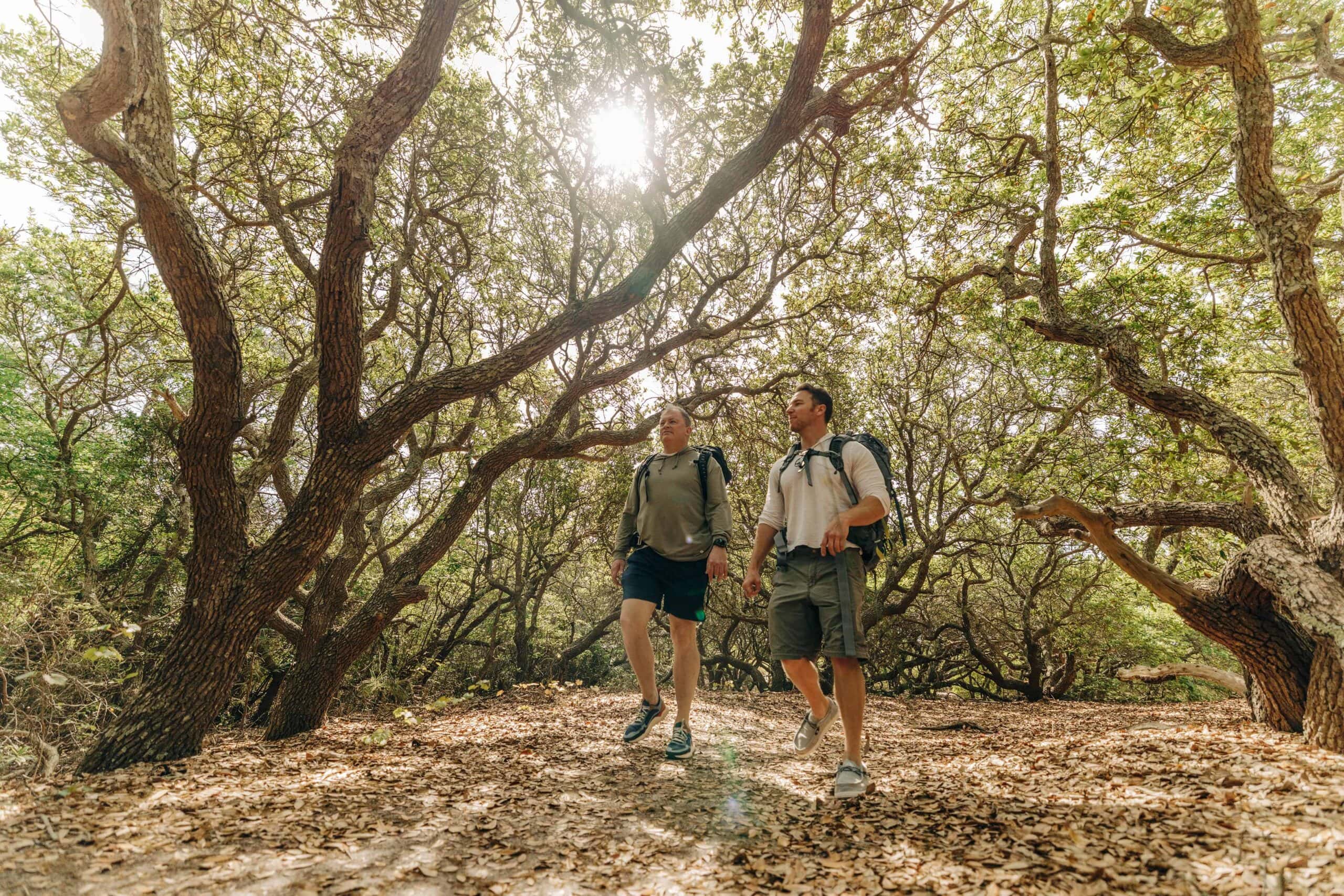
Just south of Back Bay, and only reachable by traveling through the refuge on foot, bike or the seasonal tram, False Cape State Park unfurls six miles of untouched coastline and nine miles of trails where more than 250 recorded bird species get long, undisturbed stretches of shoreline.
Keep an eye out for small Piping Plovers scurrying along the water’s edge, or the American Oystercatcher’s thick, carrot-orange bill — a flash of color that’s hard to miss against the sand.
Pleasure House Point Natural Area
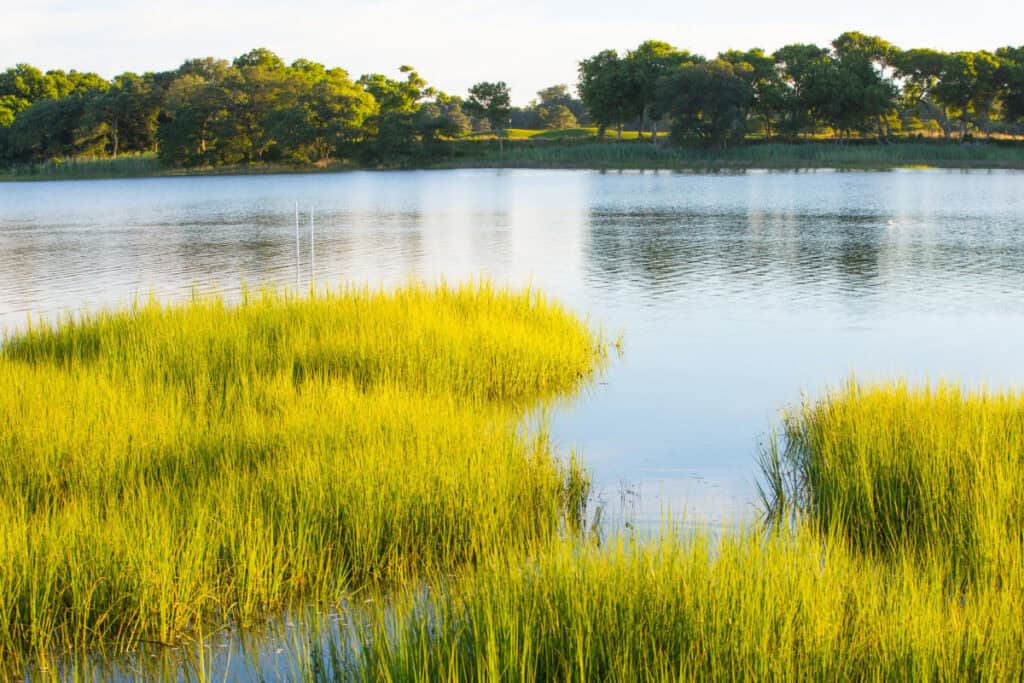
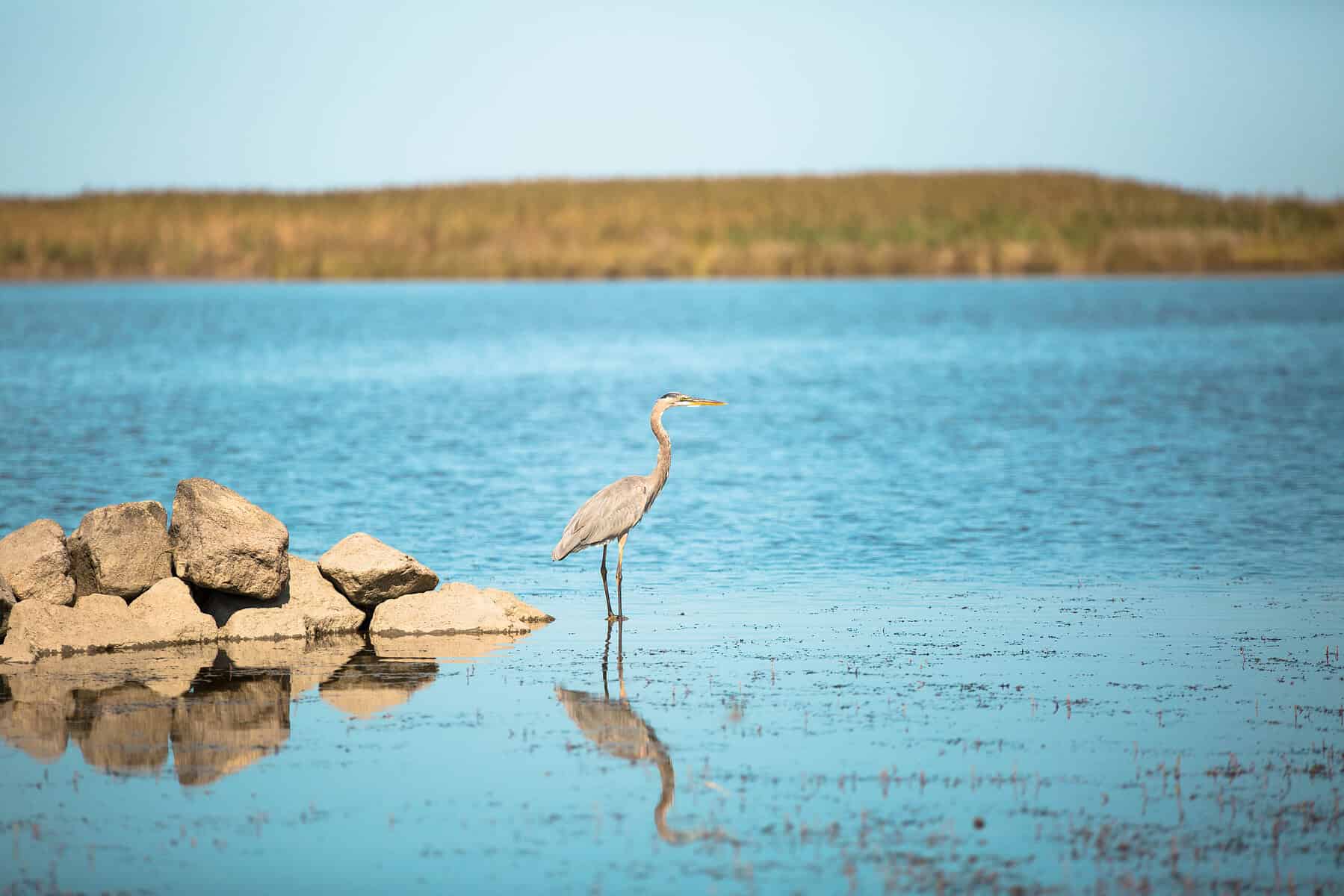
Three sandy trails wind through 118 acres of tidal marsh, maritime forest and shoreline at Pleasure House Point Natural Area, where herons, egrets, osprey and a rotating cast of waterfowl are regulars throughout the year. Plus, it’s one of the more reliable local spots to look for Yellow-Crowned Night Herons in the warmer months. While these birds aren’t rare, they’re always a treat to see with their striking red eyes and soft yellow crest.
Plan Your Trip Around a Birding Event
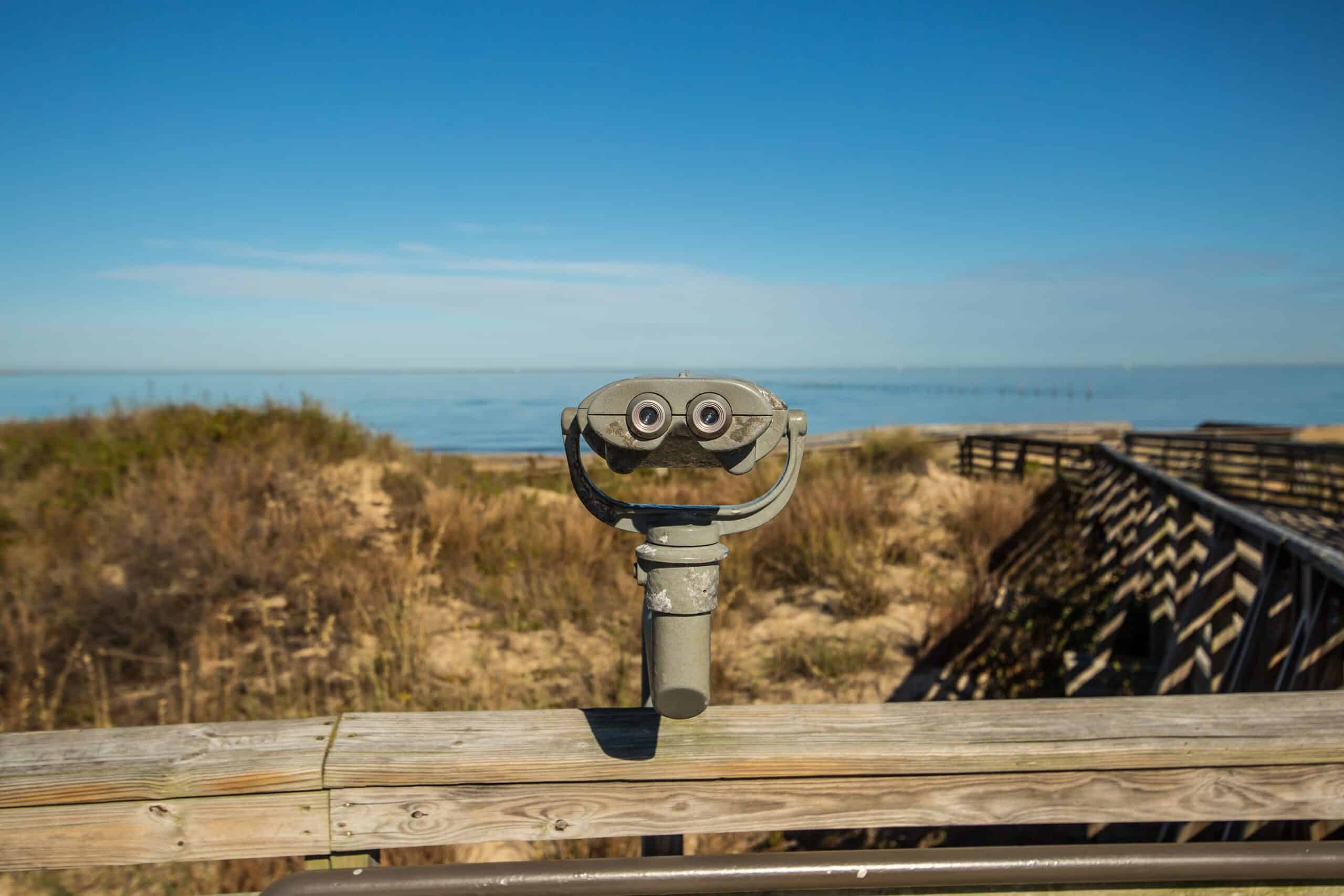
The more eyes on the sky, the better, and Virginia Beach gives birders plenty of ways to connect. Join the global Great Backyard Bird Count every February, or check with Virginia Beach Audubon Society and local refuges about Christmas Bird Count participation each December.
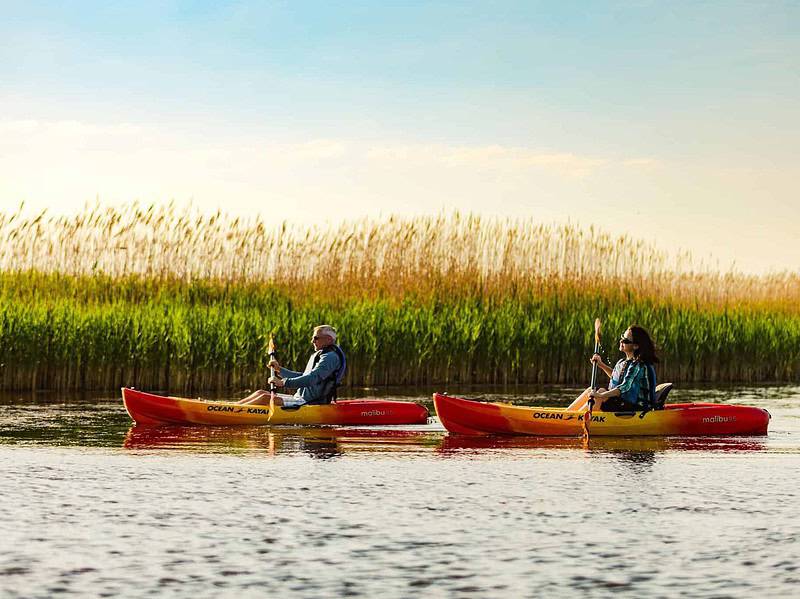
New to birding? Naturalist-led hikes, owl prowls and kayak tours offered throughout the year at parks like First Landing State Park and False Cape State Park are great opportunities to sharpen your bird ID skills.
And every winter, the Winter Wildlife Festival brings coastal wildlife lovers together for boat rides, workshops and guest speakers, including past keynotes from biologist Joan Strassmann, author of Slow Birding and The Social Lives of Birds.
Share this post
- Back Bay National Wildlife Refuge
- Fall
- On the Water
- Winter