
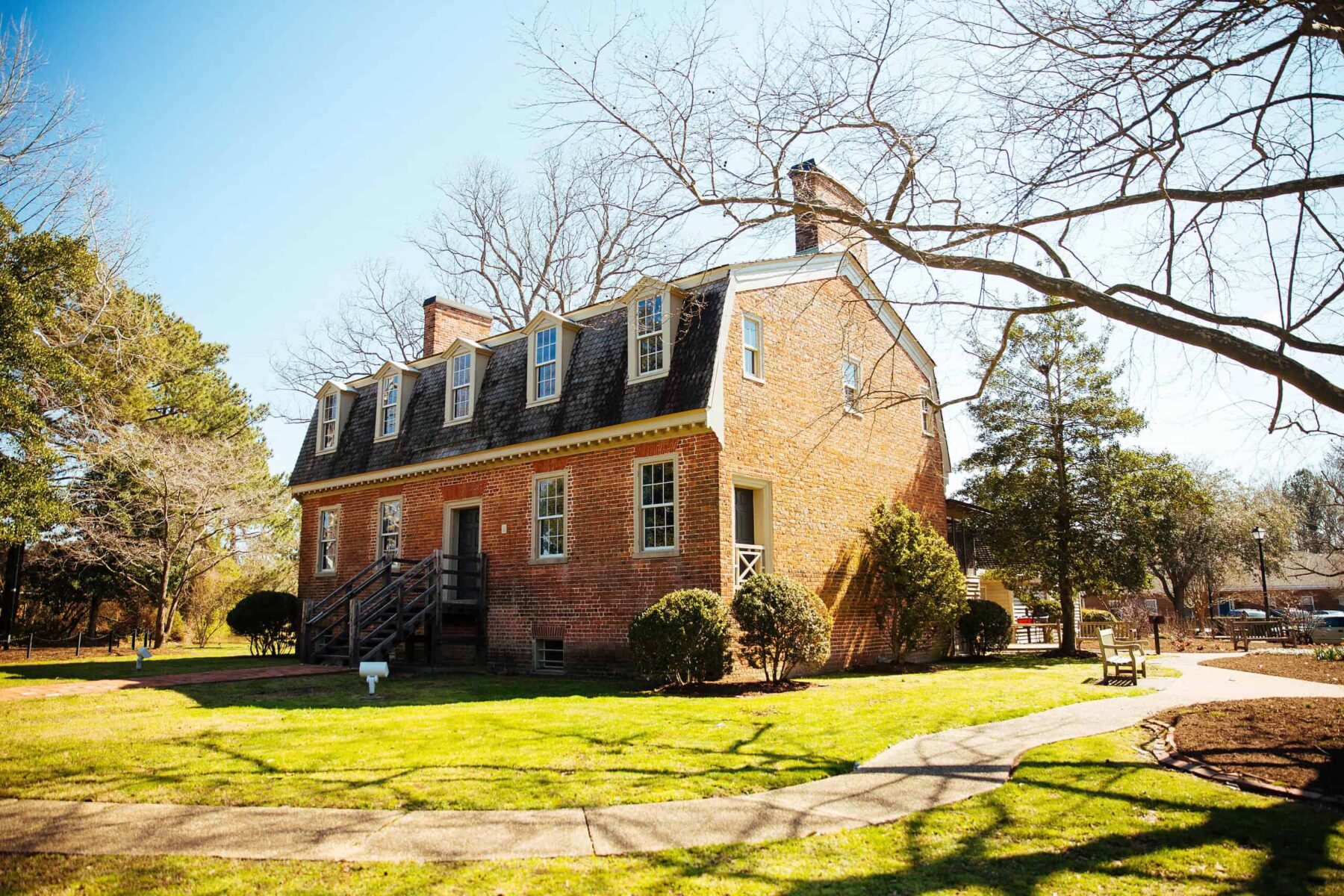
As the landing site for our country’s first settlers, and only about an hour away from the Historic Triangle of Yorktown, Jamestown and Williamsburg, the foundations of our country began right here. Virginia Beach History Museums represents the diversity of Virginia’s heritage in its historic homes and museums spread throughout our coastal city. Visit one or all of them, and discover the hidden histories of our region, and their place in the rich history of the United States.
Atlantic Wildfowl Heritage Museum
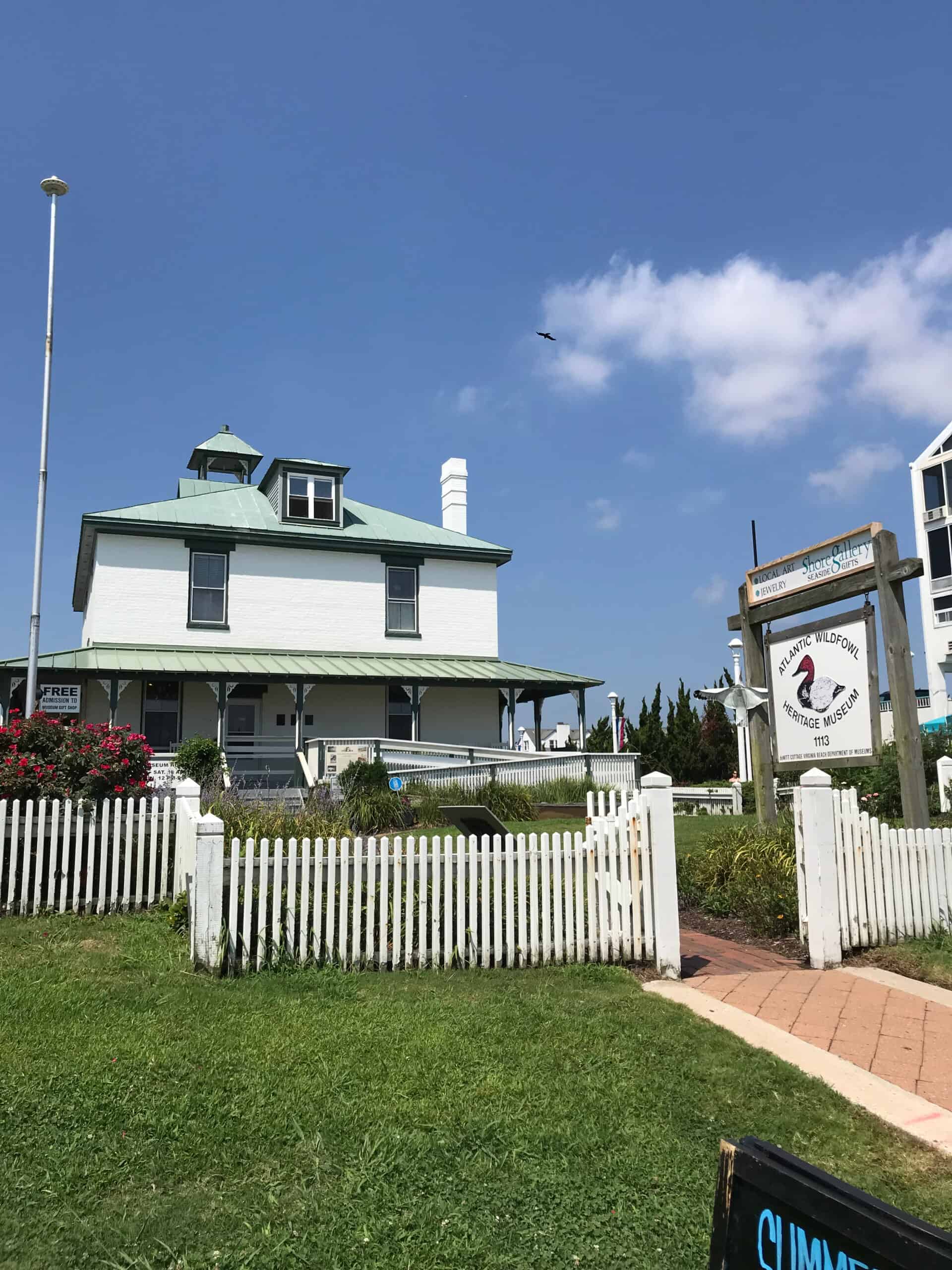
Housed in the historic DeWitt Cottage, which was built in 1895, the Atlantic Wildfowl Heritage Museum exhibits artifacts from our wild-fowling history and contemporary wildfowl artwork, such as decoys and decorative carvings. Just steps off of the Virginia Beach Boardwalk, the museum also features volunteer carvers each day, so you can see how these works of art are created.
The Virginia Beach Surf and Rescue Museum
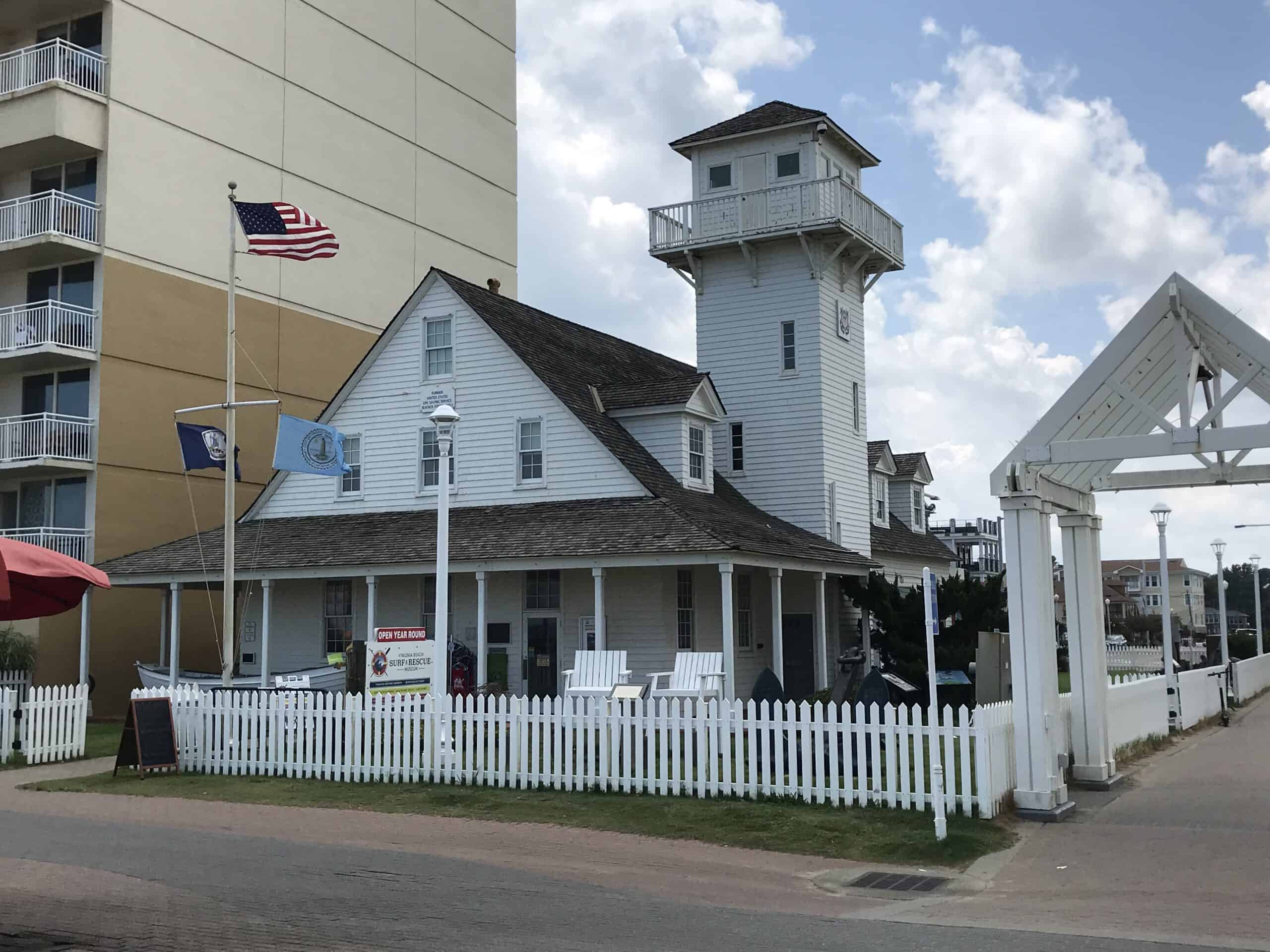
Another historic oceanfront building, The Virginia Beach Surf and Rescue Museum, operates out of a former U.S Life Saving Station, built in 1903 on the Virginia Beach Boardwalk. Today, the museum preserves our coastal city’s maritime history through exhibits on local surfing legends, superstorms that have hit Virginia Beach, shipwrecks, local lifeguards and more.
Thoroughgood House
@zephobias_virginia, Instagram
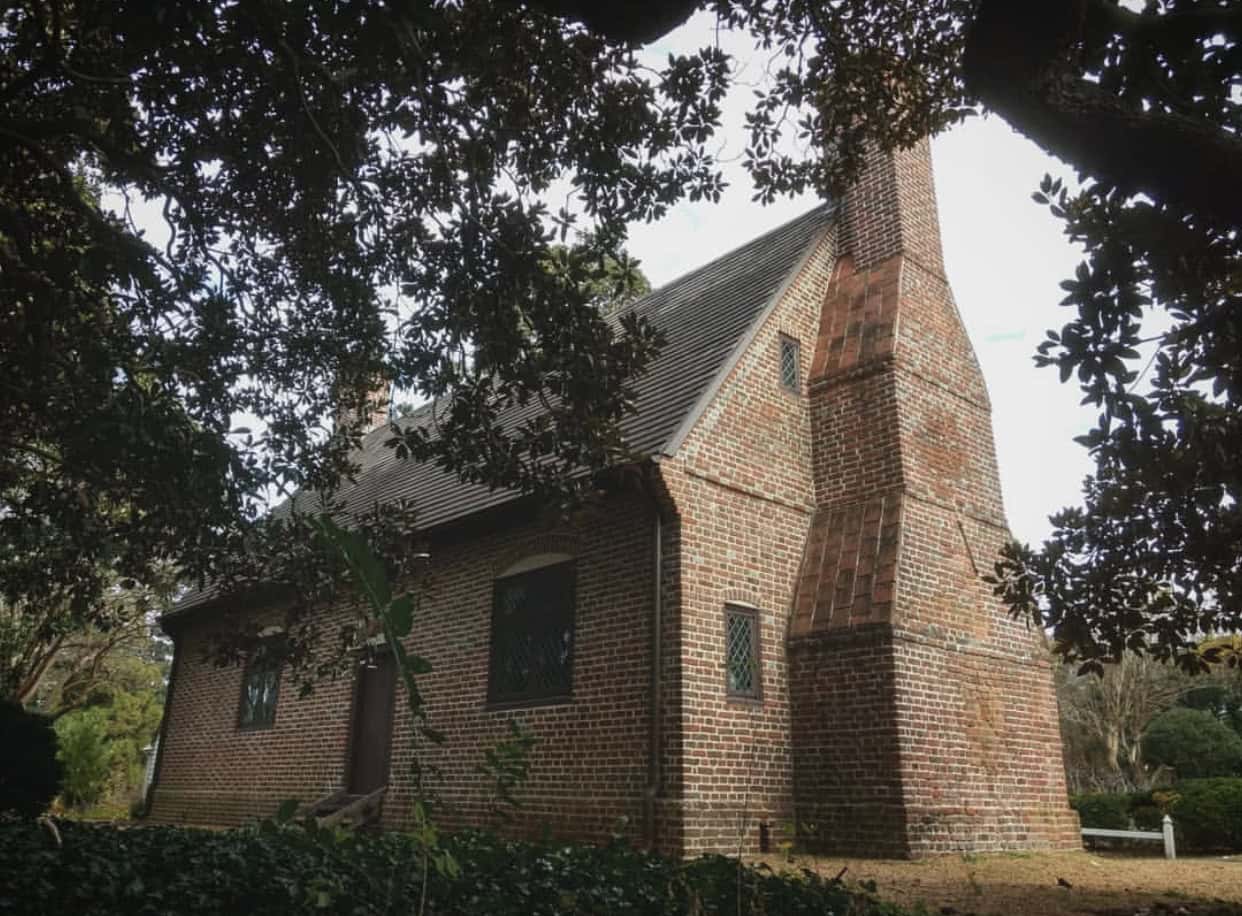
Learn about one of Virginia’s first colonists and see a dramatic turned staircase at the oldest home, Thoroughgood House, circa 1719. The house, which reopened in May 2018, has a new education center that brings the early 1700s colonial time period to life with hands-on activities and school programs that include a mock archaeological excavation.
Lynnhaven House
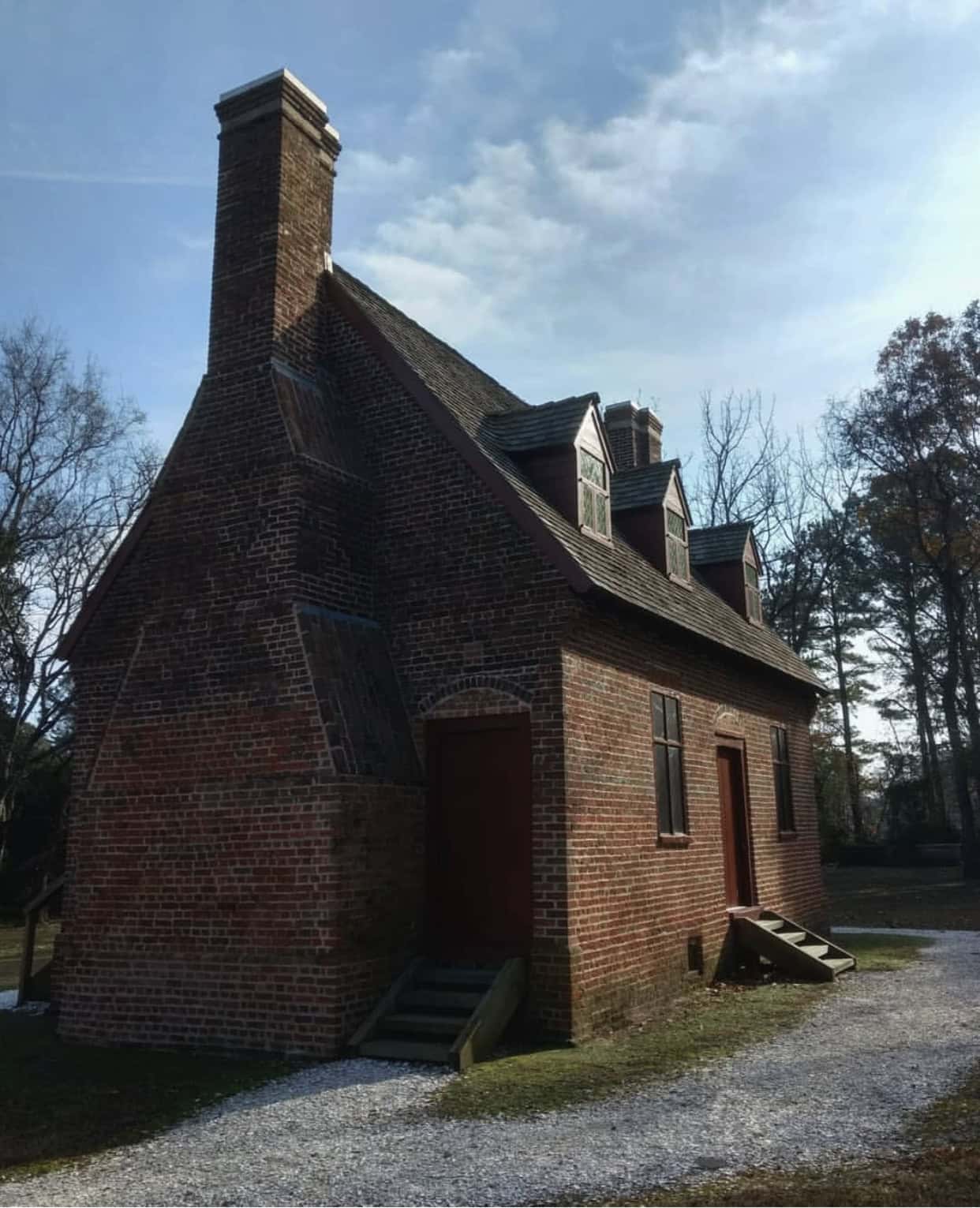
@zephobias_virginia, Instagram
Often considered to be among the most well-preserved examples of early Virginia vernacular architecture, the Lynnhaven House, circa 1725, is a glimpse into what life was like leading up to the American Revolution. Lynnhaven tours highlight the roles of the original builder, Francis Thelaball, his family, and several enslaved people that worked on the smaller plantation.
Visitors will learn about the Tidewater region of the early 18th Century and explore the unique architectural and design elements of the house, including its brick archways, a closed-spindle staircase, and ship’s lap floor construction.
The Lynnhaven House is currently closed for restoration. House grounds, and the Lynnhaven Colonial Education Center, are open for select events and programs. Email [email protected] to learn more.
Francis Land House
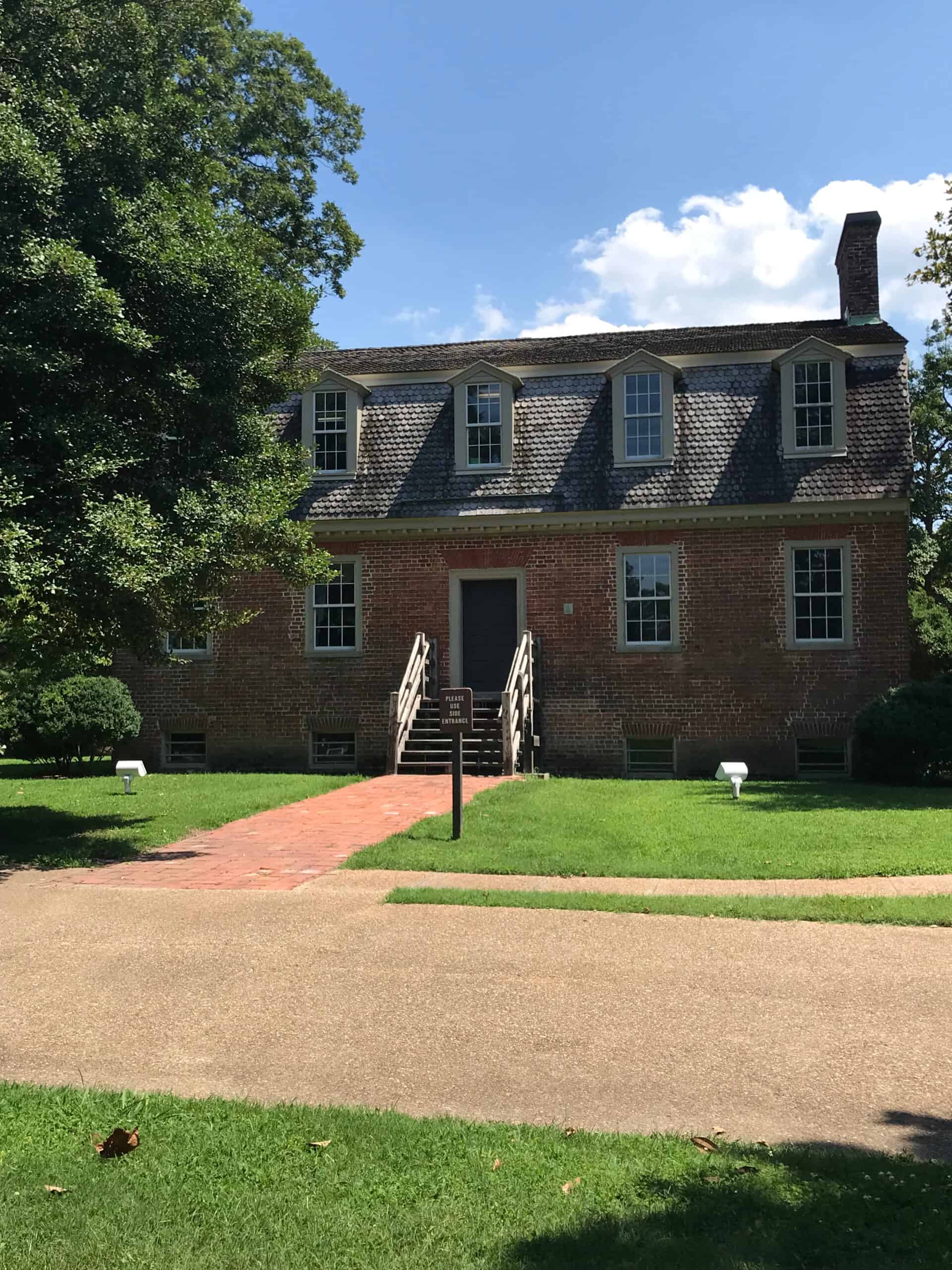
Located in the heart of Hilltop area, the Francis Land House takes you directly from modern-day straight back to the past. Built in 1805, it was once surrounded by hundreds of acres of land, this historic home once served as the residence to Francis Land VI, a wealthy plantation owner.
Tours offer a good overview of plantation living, complete with 1800s fashion, Federal style furnishings, Georgian architecture, and a look at how the new nation’s formation affected private lives.
Ferry Plantation House
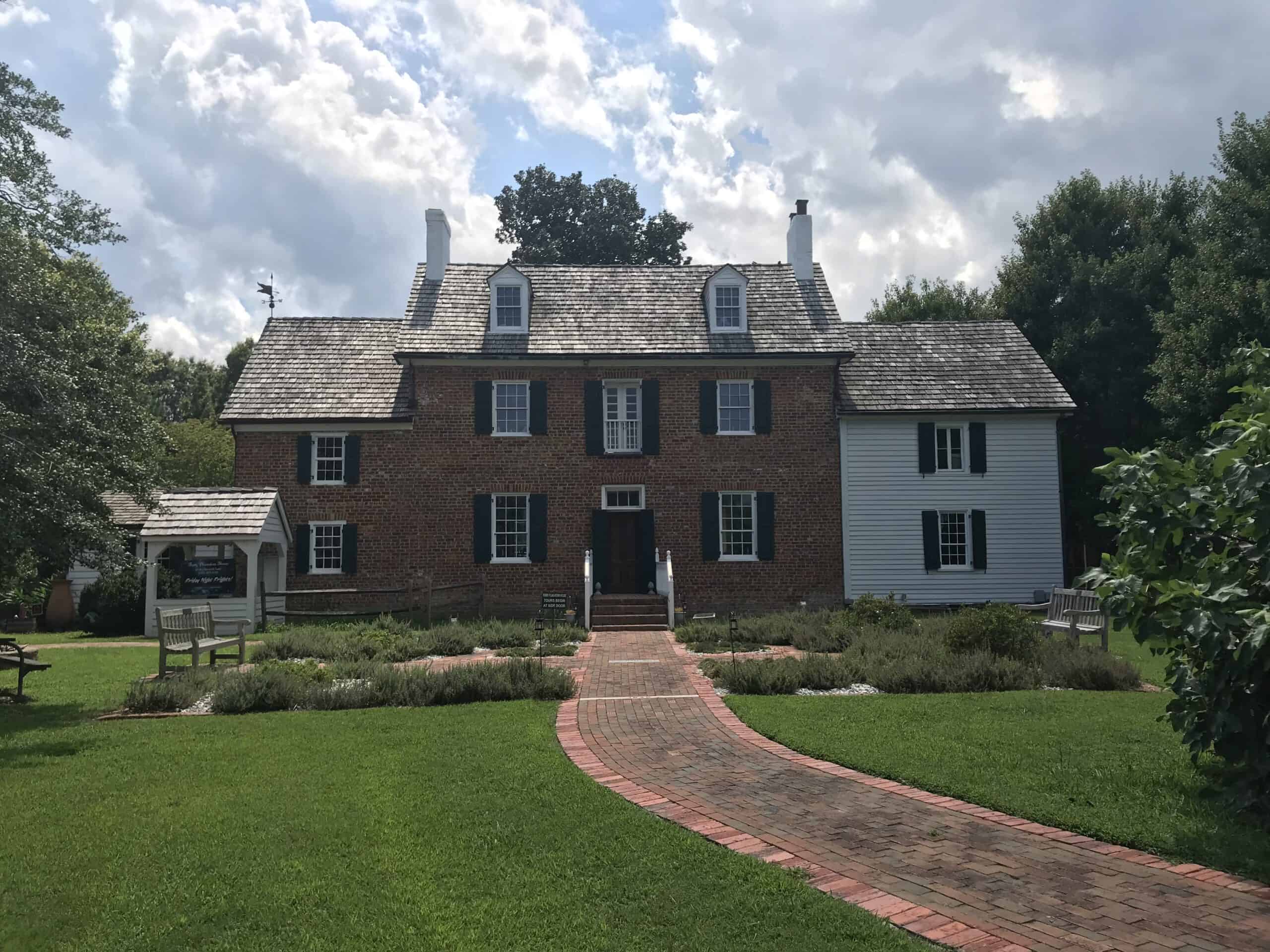
Deriving its name in 1642 from the Ferry Boat Service that ran the Lynnhaven waterway, the Ferry Plantation House was the site of the Second and Third Princess Anne court houses, as well as The Walke Family Manor house, which burned down in 1828. Two years later, the Walke/MacIntosh family used the good bricks from the house to rebuild, building the house which still stands today.
The tour includes stories of life in what is now Virginia Beach, from the 1600’s to mid-1800’s. In addition to the tour of the beautiful 10-room, central passage Federal farmhouse, visitors will also be regaled with stories of the famous Witch of Pungo, whose 1706 trial by water took place in the nearby Lynnhaven River.
Princess Anne County Training School/Union Kempsville High School Museum
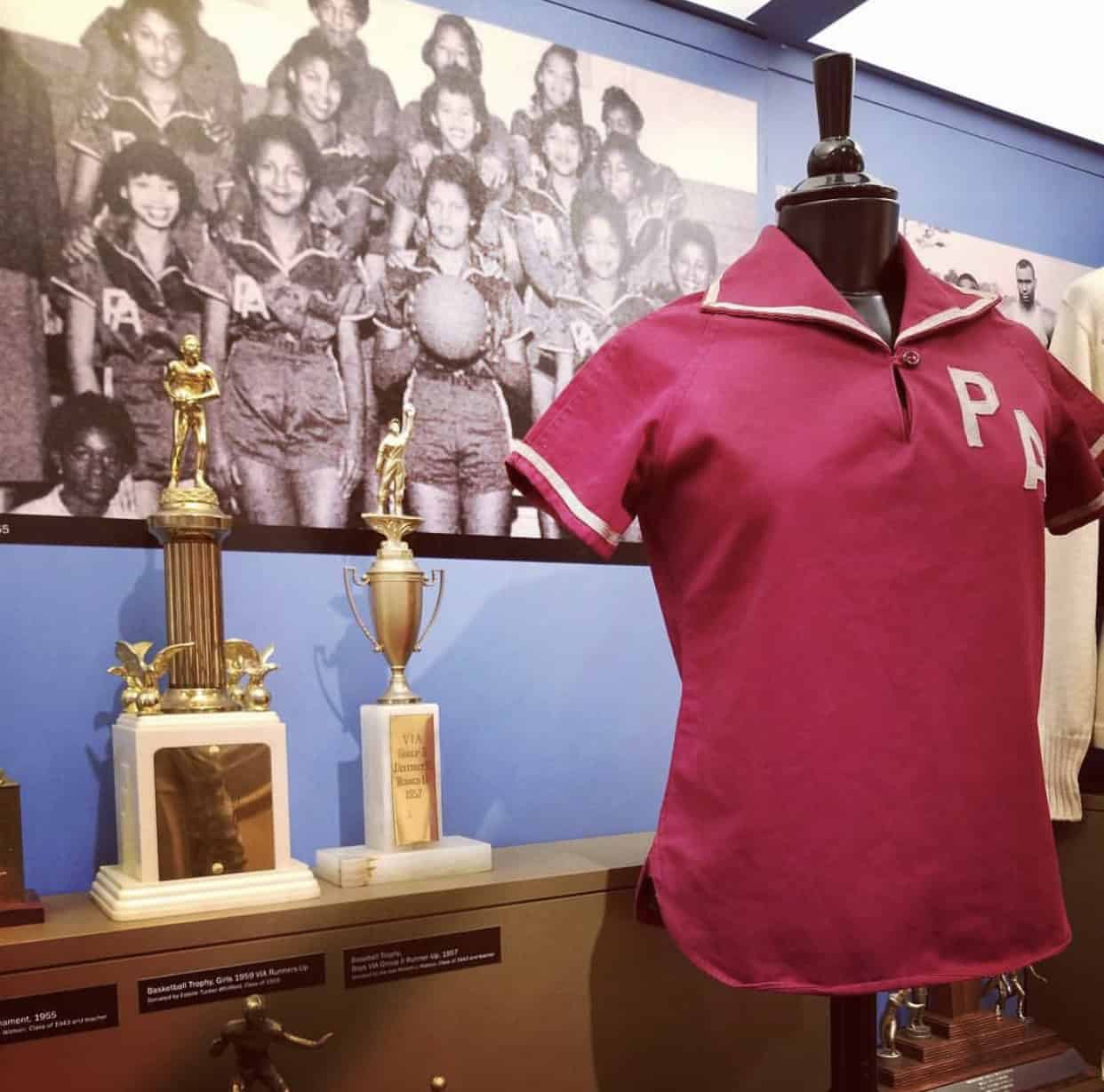
The Princess Anne County Training School was the first high school for African Americans in Princess Anne County, now called Virginia Beach. The school opened in 1930 as the result of the African American community joining forces to raise money to build a school that could offer their children the proper education they deserved.
In 1962, the school changed its now to Union Kempsville High School and, in 1969, the school graduated its last class due to city-wide school integration. The museum carries on this legacy by sharing the stories of family, community, sacrifice, and the importance of education for all children. The Princess Anne County Training School/Union Kempsville High School Museum operates under the same schedule as the City schools.
Upper Wolfsnare House
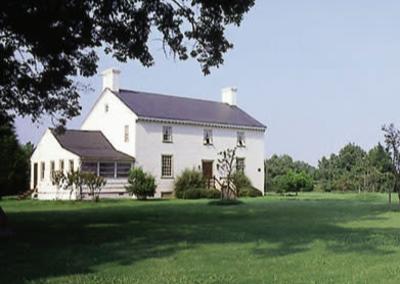
The history of the Upper Wolfsnare House began in 1612, when Thomas Walke received a land grant for the property. 140 years later, Thomas Walke III built his home on the property in 1759. His son, Thomas Walke IV, a colonel in the Colonial Militia, later inherited the land and the house. The original Georgian style of the house reflects the gentry class life style of the builder.
Today, Upper Wolfsnare House is in the custodianship of the Princess Anne County Virginia Beach Historical Society. Tours can be arranged in the months of July and August, by appointment only.
Share this post
- Museums