

Experience Autumn Serenity on Virginia Beach’s Waterways
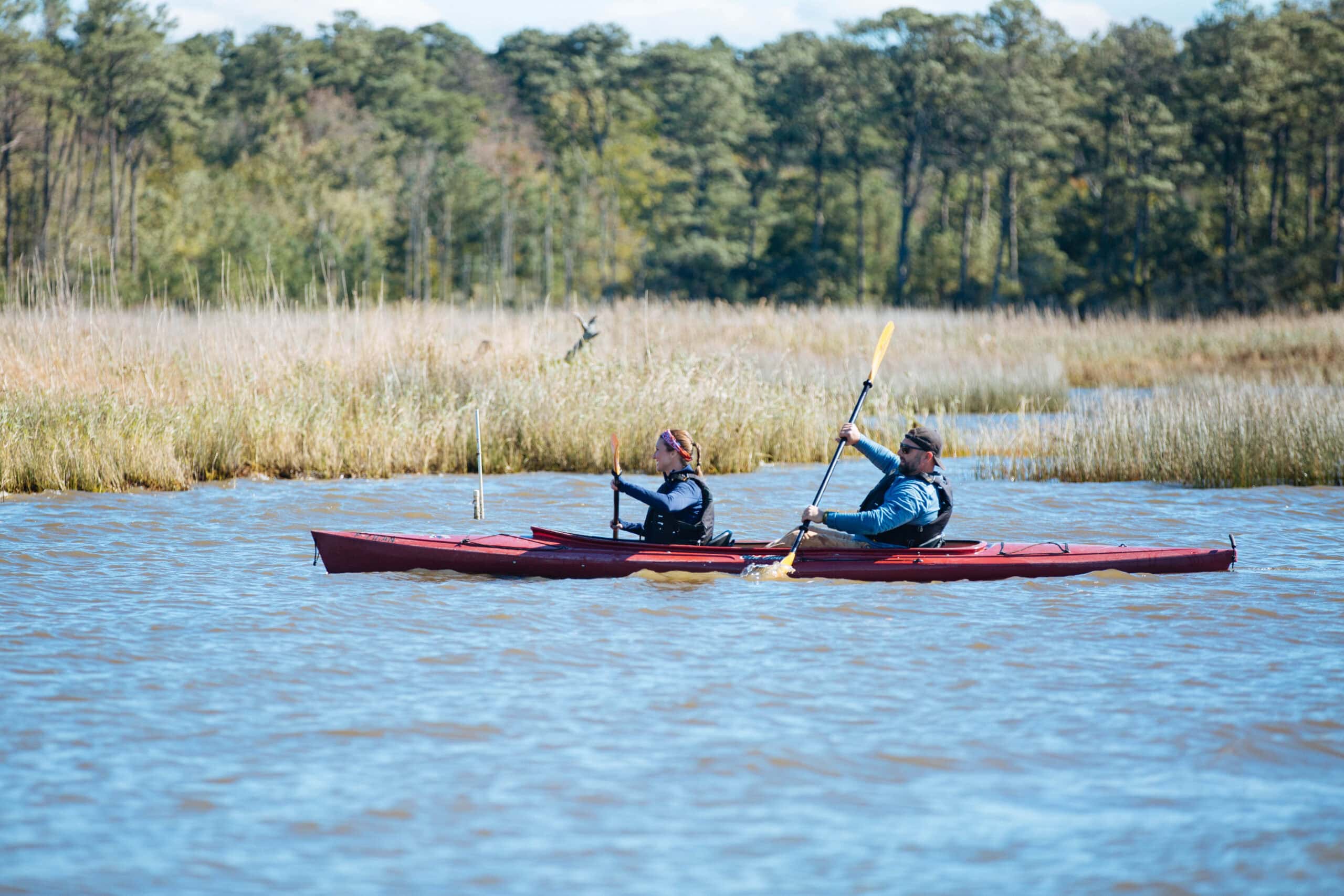
Local kayakers and paddlers let out a quiet cheer when October rolls around in Virginia Beach. Lingering summer warmth keeps the water inviting, while summer crowds taper off, leaving our quietest waterways wide open for exploration. Paddling out here reveals a side of the coast you simply can’t get from the beach. You can drift past bald cypress trees trailing Spanish moss or cut through glassy marsh channels reflecting blue skies. Grab your paddle and dive into the tranquil beauty and natural wildlife of Back Bay and First Landing.
Back Bay National Wildlife Refuge: Marshes and Open Waters
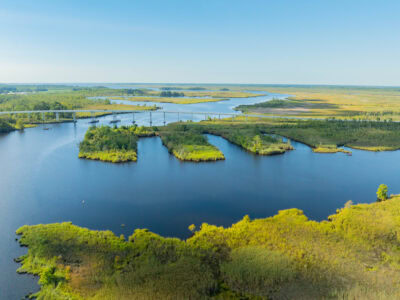
Tucked away in southern Sandbridge, Back Bay National Wildlife Refuge encompasses over 9,000 acres of protected barrier islands, freshwater marshes, and serene open bays. Its peaceful expanse of shallow, brackish, and freshwater habitats is separated from the Atlantic Ocean by a slender ribbon of sand dunes and maritime forest. Gliding through these winding marsh channels puts you right in the middle of tall cordgrass and swaying sea oats. The water here stays remarkably calm, creating a glassy mirror for the vast autumn sky above.
What Paddlers Can Expect to See
Keep your eyes peeled along the waterline for migratory birds. More than 300 species call Back Bay home, making it a dream spot for birdwatchers. You’ll routinely spot osprey, great blue herons, and egrets stalking fish in the shallows. Along the muddy banks, sunbathing turtles line up on fallen logs, while river otters play nearby, and deer and foxes scout for morning snacks.
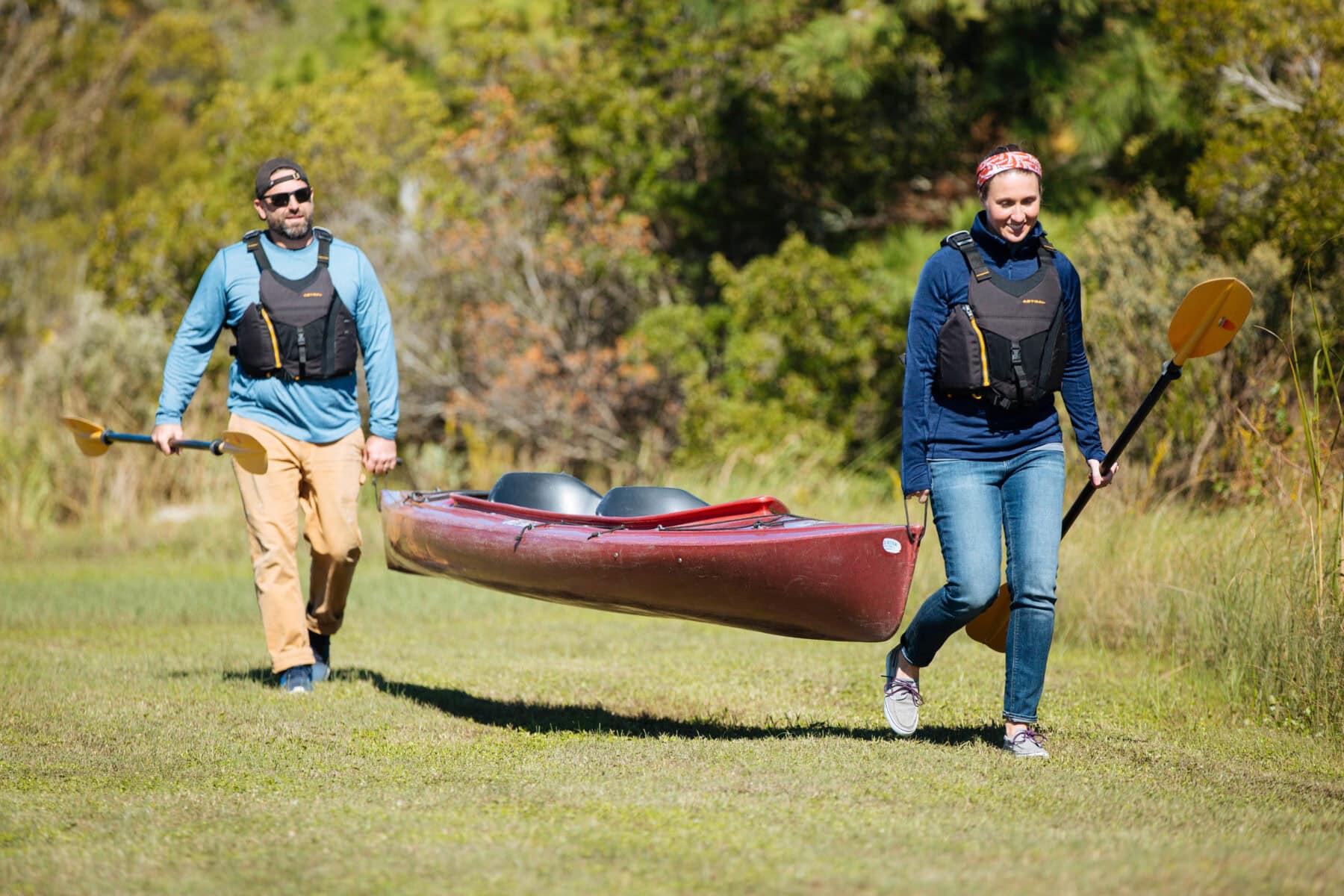
If it’s your first time paddling these waters, kayak rentals and guided tours are available to help to you experience the best.
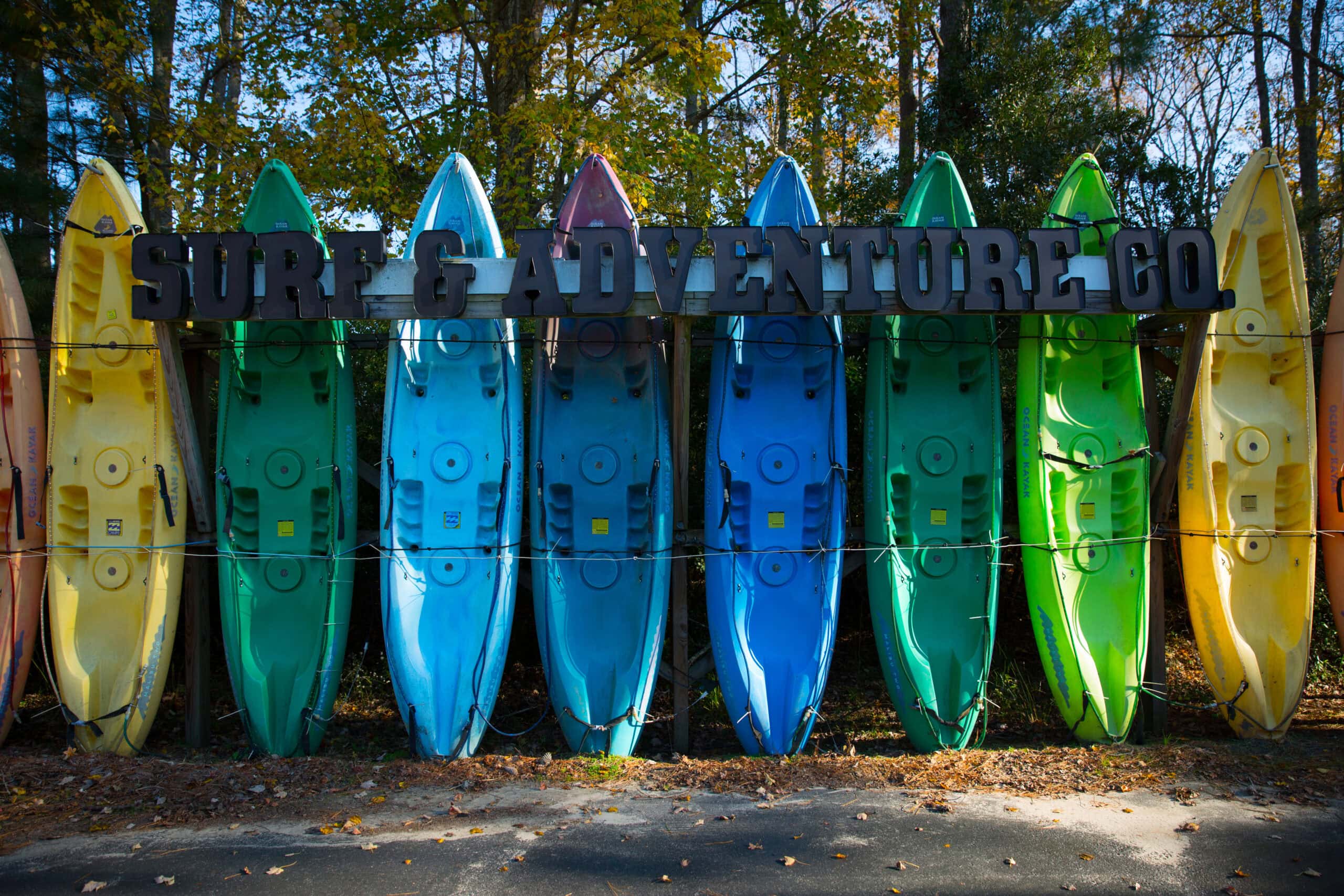
- Where to Rent: Head over to Back Bay Getaways for kayak rentals right at the doorstep of this peaceful, making launching onto Back Bay completely hassle-free.
- Tours & Expeditions: For an incredible experience on the water, select a guided tour option with Ocean Rentals Ltd. You’ll paddle through the scenic tributaries and open waters of Back Bay, see wildlife, and on select tours, even get a meal.
First Landing State Park: Cypress Swamps and Broad Bay
Nestled in Chesapeake Bay, First Landing State Park is Virginia’s most-visited state park and offers an enchanted landscape featuring freshwater ponds, tidal marsh, and cypress swamp. Navigating the park’s tranquil inland waterways — including the narrow channel known to locals as “The Narrows” — takes you through protected salt marshes and quiet lagoons. Knobby cypress knees poke out from the dark waters, and a thick canopy of Spanish moss drapes from the branches above, casting soft sunlight across your path.
What Paddlers Can Expect to See
In the shaded cypress lagoons, you’ll glide past various birds hunting fiddler crabs as they scurry along the banks. Keep an eye out for bottlenose dolphins playing in the inlet currents and definitely look up! You may even spot a bald eagle soaring overhead!
Rental and tour options are abundant; select from options to secure everything you need for your ideal cruise.
- Where to Rent: Check out Tula Paddle Sports, located right near the Lesner Bridge on Shore Drive. They offer kayak rentals with a launch site just a half-mile away.
- Tours & Expeditions: For a guided excursion packed with local insights into the surrounding ecosystems, book an outing with Chesapean Outdoors or Kayak Nature Tours. Each offers incredible tours through the park’s salt marshes and tidal channels.
There’s a special kind of magic on the water during an autumn morning or sunset in Virginia Beach. The air is warm, the water is calm, and the glassy salt marshes are wide open for your next great adventure. Pack your paddle, grab a kayak, and get ready to experience the quiet, wilder side of our coast this season.
Share this post
- Dine Like a Local